
Languages:
Staff Apps | Enterprises | Media | Support Services | Vision 2030 | Procurement | Tenders | Contact
Staff Apps | Enterprises | Media | Support Services | Vision 2030 | Procurement | Tenders | Contact
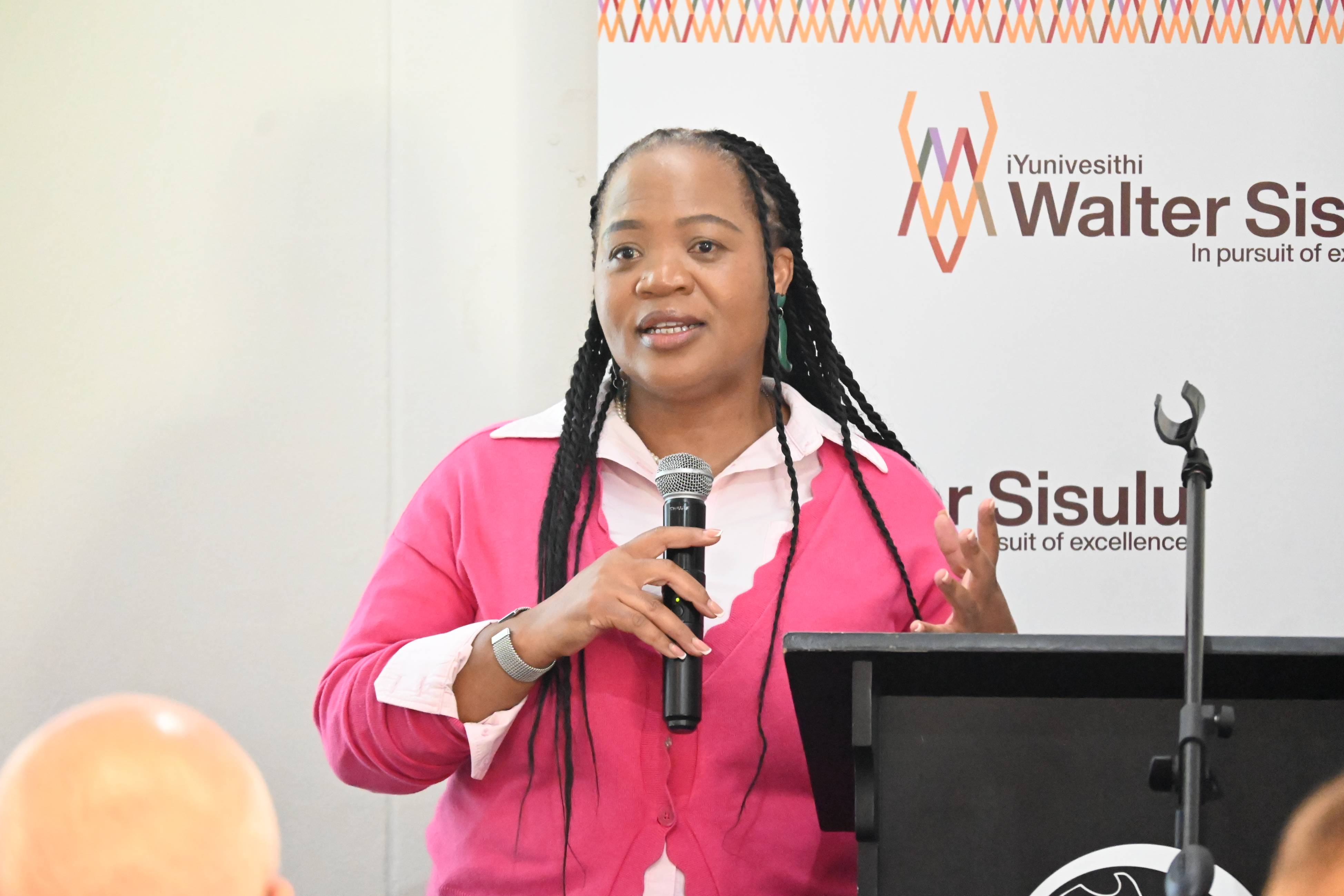
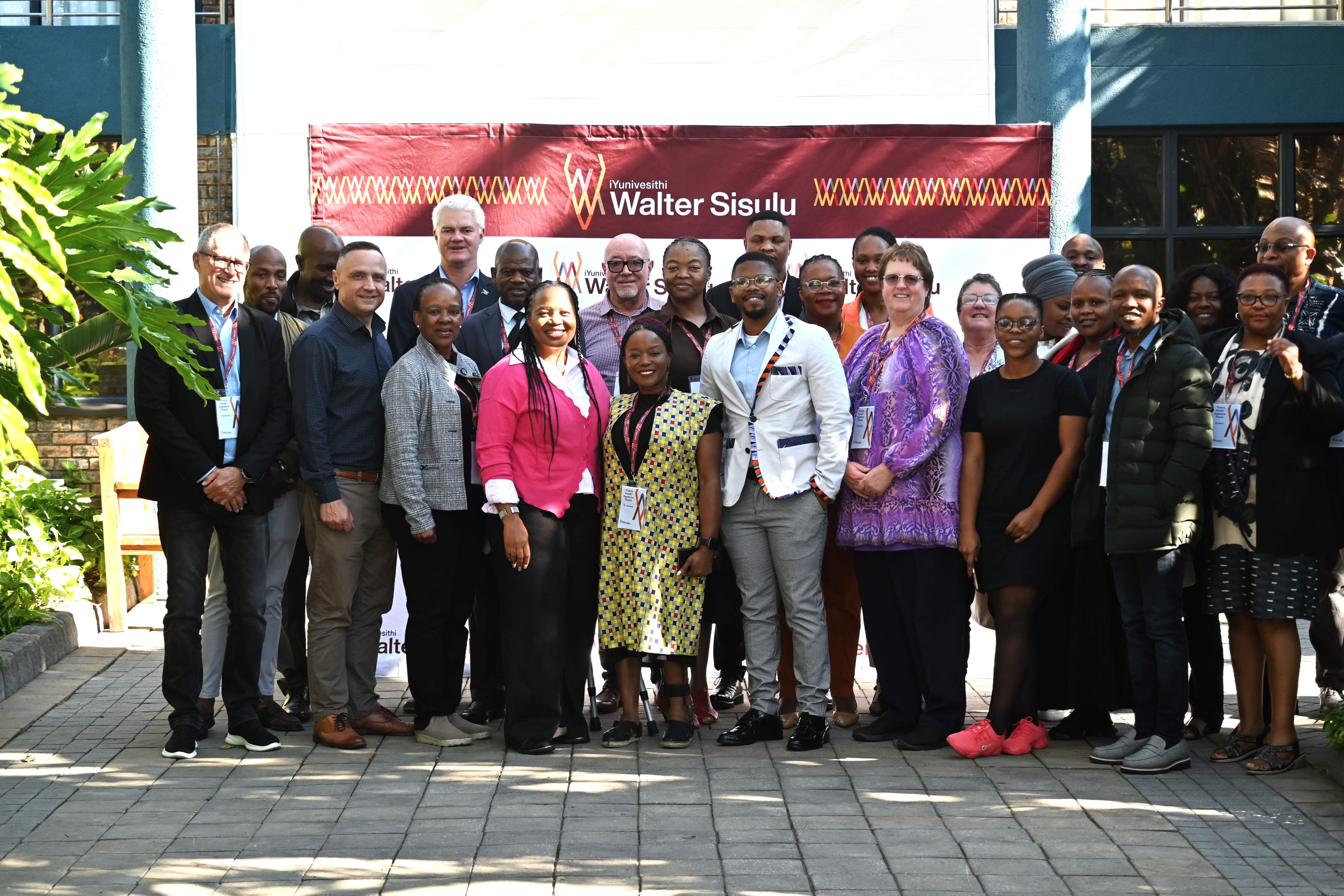
The Eastern Cape has the potential to become a hub for agricultural innovation, delegates heard at iYunivesithi Walter Sisulu's Future Foods Signature Theme engagement on 29 May.
Hosted in KuGompo City, the engagement brought together academics, researchers, government representatives and industry stakeholders.
The gathering explored how research, innovation and collaboration could contribute to food security, rural development and economic transformation.
Delivering the keynote address, University of Pretoria agriculture and food systems expert, Professor Frans Swanepoel said the province was well positioned to unlock its agricultural potential through stronger partnerships between universities, agricultural colleges, research institutions, government and farming communities.
"The Eastern Cape is uniquely positioned to become a centre of agricultural innovation because of the institutions, expertise and partnerships already present in the province," said Swanepoel.
Opening the engagement, Walter Sisulu Vice-Chancellor and Principal Dr Thandi Mgwebi situated the Future Foods Signature Theme within the institution's commitment to addressing societal challenges through research, innovation and engagement.
She said the initiative aligned with the university's rural development mandate and its vision of creating meaningful societal impact.
"Eastern Cape has got its problems, its high poverty rates, but it's got this vast land that is not utilised to support its own development," said Mgwebi.
Walter Sisulu Faculty of Natural Sciences Deputy Executive Dean, Professor Palesa Sekhejane said the discussion came at a critical time for South Africa. She noted that communities continued to face challenges relating to poverty, inequality, sustainability, market access and job creation.
"While food and nutrition security remain central to development, we must also address the hunger of ideas and the hunger of opportunities that continue to limit growth within our communities," said Sekhejane.
The engagement concluded with a panel discussion focused on developing an opportunity framework to guide future collaboration, research and innovation in the food systems sector.
Moderated by Professor Aldo Stroebel of the University of Mpumalanga, the discussion brought together representatives from Nelson Mandela University, Grain SA and the Agricultural Research Council. Participants highlighted the importance of strengthening the academic pipeline through expanded Honours, Master's and doctoral opportunities while exploring the role of emerging technologies, including artificial intelligence, in supporting sustainable food systems.