
Staff Apps | Enterprises | Media | Support Services | Vision 2040+ | Procurement | Tenders | Contact
Staff Apps | Enterprises | Media | Support Services | Vision 2040+ | Procurement | Tenders | Contact
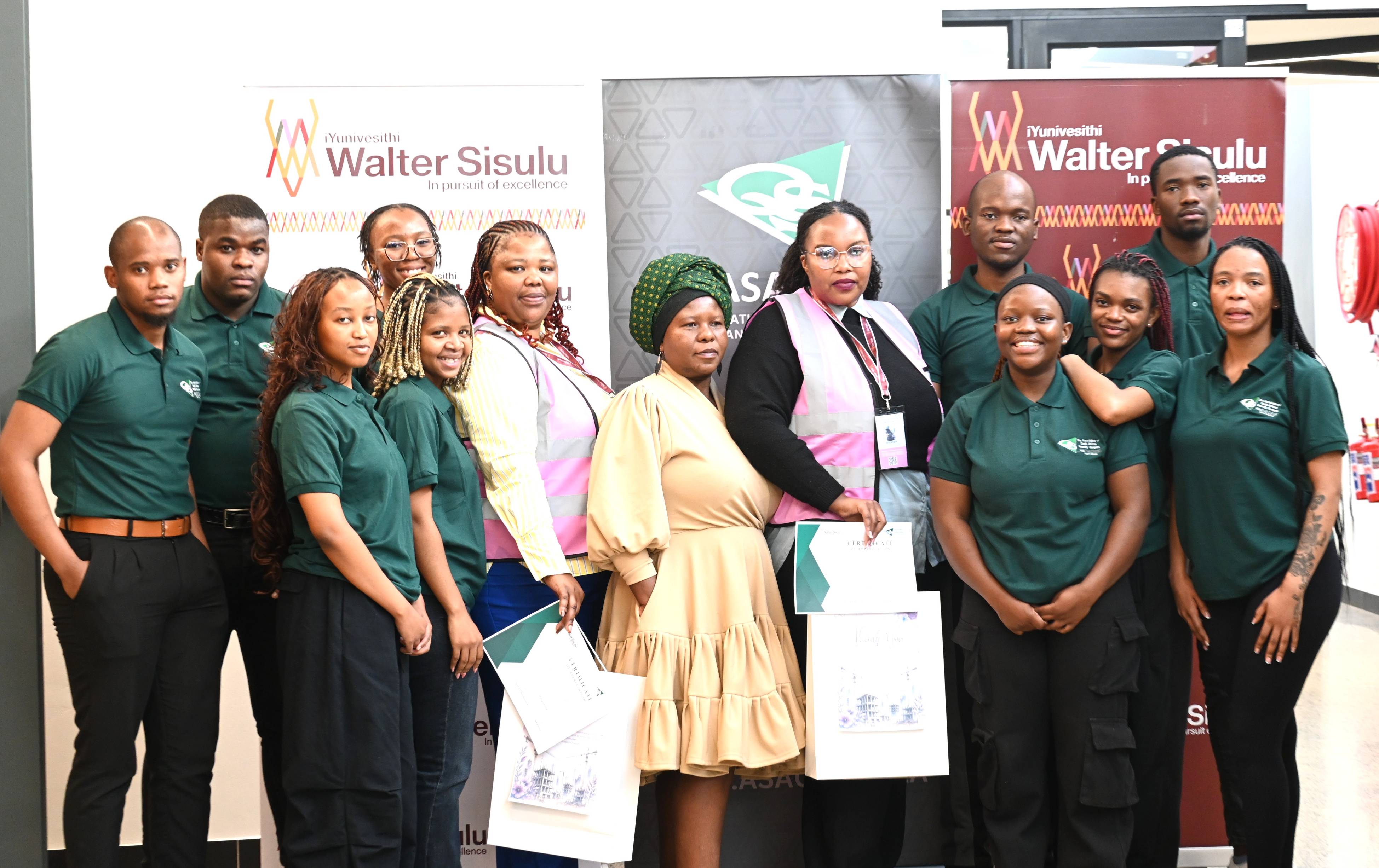
Women aspiring to build careers in the construction industry have been urged to confront gender stereotypes, believe in their abilities and equip themselves with the professional skills needed to thrive in a traditionally male-dominated sector.
The call was made by construction entrepreneur and Yewanda (Pty) Ltd director Emihle Tyali, who was the guest speaker at a Women in Construction celebration hosted by the Association of South African Quantity Surveyors (ASAQS) student chapter at Walter Sisulu.
Held at the Potsdam Site in kuGompo under the theme “Empowering Women, Building Futures and Shaping the Industry,” the event brought together first and third-year National Diploma in Building Technology students to reflect on the contribution of women to construction and the opportunities and challenges facing them.
Tyali, drawing from her experience in the industry, told students that entering construction as a woman often means having to overcome deeply rooted perceptions about gender and competence.
“When we talk about women in construction, we have to be honest, there are barriers. Women can experience gender stereotypes, can be underestimated, and can be questioned about their competence.”
She said young women could face an additional layer of scrutiny because of their age, making it important for them to build confidence and continually demonstrate their capabilities.
“Sometimes being young can make people assume that you lack experience, and sometimes, simply being a woman in a male-dominated environment means that you feel that you have to prove yourself more than once,” said Tyali.
For the entrepreneur, however, these challenges should not deter women from pursuing careers or businesses in construction. Instead, they should serve as motivation to develop the knowledge, resilience and professional capabilities required to succeed.
She emphasised that students must look beyond academic qualifications and prepare themselves for the practical realities of the industry.
“Academic knowledge is important, but we also need practical and professional skills that will strengthen our ability to navigate the construction industry,” Tyali told the students.
She further encouraged students to embrace continuous professional development, pointing out that success in construction requires a combination of technical expertise, leadership, business acumen and the ability to work across disciplines.
The celebration also formed part of the commemoration of Women’s Day in South Africa, honouring the approximately 20,000 women who marched to the Union Buildings in Pretoria on 9 August 1956 in protest against apartheid-era pass laws.
For the students, the event provided more than an opportunity to celebrate women.
It offered a window into the professional world they are preparing to enter and allowed them to engage with an industry practitioner about the realities awaiting them beyond university.
Tyali's message was ultimately one of confidence, resilience and preparation – one reinforcing that women belong in construction, and the future of the industry must provide space for them to lead, innovate and build.
“Believe in your abilities, keep developing yourself and do not allow stereotypes to define your potential,” was the essence of her message to the aspiring construction professionals.
By Sisipho Qwenga