

About Walter Sisulu
Get in touch
Email Address:
Contact Numbers:
Mthatha: 047 502 2100
Butterworth: 047 401 6000
East London: 043 702 9200
Potsdam: 043 708 5200
Chiselhurst: 043 709 4000
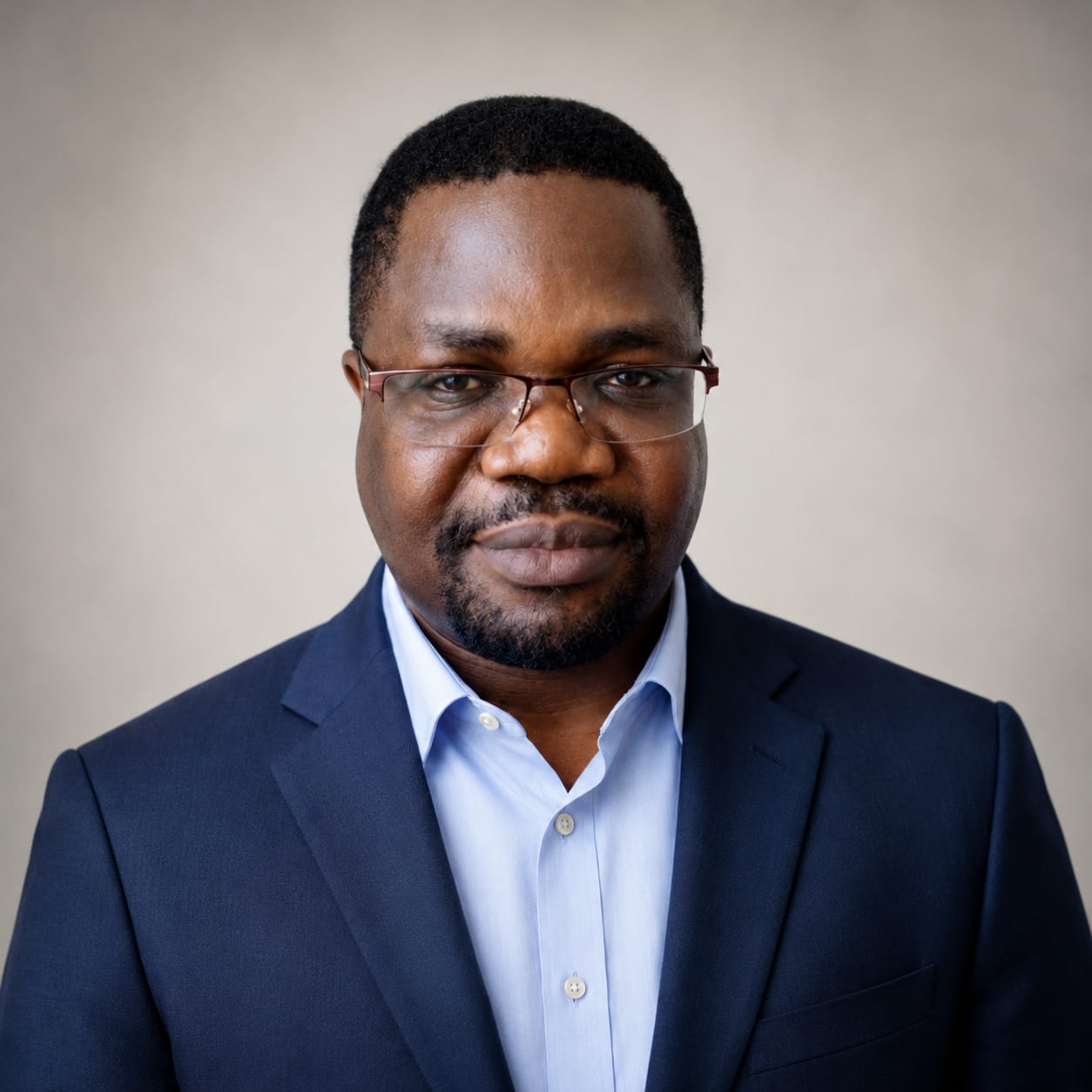
iYunivesithi Walter Sisulu’s, Professor Teke Apalata, has obtained a C2 National Research Foundation (NRF) Rating, recognising years of research into drug-resistant diseases and other major health challenges affecting rural South Africa and beyond.
An Associate Professor and Head of the institution’s Department of Laboratory Medicine and Pathology, Apalata’s research has focused particularly on antimicrobial resistance, tuberculosis, HIV and related conditions.
With much of his work centred on rural and under-resourced communities in the Eastern Cape, Apalata sought to address pressing health challenges by providing evidence to inform better disease surveillance, treatment and healthcare.
“I regard the C2 NRF rating as an important external recognition of the sustained development, coherence, and contribution of my research program over many years. For me, its significance lies less in one particular publication or project and more in the body of work that has developed around major health challenges affecting South Africa and other African countries,” said Apalata.
A Medical Doctor and Specialist in Clinical Microbiology, Apalata’s decorated academic credentials include a medical degree from the University of Kinshasa, a Master of Medicine in Medical Microbiology, and a PhD in Medical Microbiology from the University of KwaZulu-Natal, amongst others.
The scholar asserted that his research journey was driven by a question that has serious consequences for patients: what happens when the medicines used to treat infections stop working?
In pursuit of the answer, Apalata delved into extensive research on antimicrobial resistance, including drug-resistant tuberculosis (TB), healthcare-associated infections and resistant bacterial pathogens, a term used to describe bacteria that have developed the ability to withstand antibiotics.
“Our studies have identified geographic hotspots, characterised mutations and genetic diversity among drug-resistant Mycobacterium tuberculosis strains and investigated transmission and treatment outcomes. This work means we can move beyond reporting how many patients have drug-resistant TB and begin to understand where transmission is occurring, which strains are circulating, how resistance is developing, and where interventions should be prioritized,” he said.
The professor has gone on to explore alternatives to conventional antibiotics through research into antimicrobial photodynamic inactivation, which uses light activated substances to help destroy highly resistant bacteria.
“The significance is that antimicrobial resistance cannot be addressed indefinitely simply by searching for another conventional antibiotic. We must also explore alternative technologies and strategies. This work has therefore opened possibilities for developing infection-resistant devices, treating biofilm-associated infections, and ultimately reducing dependence on conventional antimicrobials ,” Apalata stipulated.
Increasingly, Apalata is combining medical research with genetic sequencing, advanced statistics, machine learning and artificial intelligence to predict health risks and develop more targeted interventions.
“I believe Africa needs research that is scientifically competitive internationally yet deeply responsive to African realities,” he said.
Looking ahead, Apalata plans to expand research into AI-driven surveillance of antimicrobial resistance, genomic sequencing, predictive modelling and alternative treatments, while continuing to develop postgraduate researchers.
“Ultimately, I hope my work contributes to better diagnostics, more rational antimicrobial use, earlier identification of patients at risk, more effective treatment, stronger health systems, and improved outcomes for communities that have historically been underserved by research and healthcare innovation,” he said.
By Yanga Ziwele
Walter Sisulu University
Every gift moves us forward.

The Walter Sisulu Legacy Fund is an opportunity for alumni, staff, partners and friends of the University to invest in the long-term future of Walter Sisulu.
It exists to expand opportunity for students, support academic excellence and innovation, respond to strategic priorities, and build a more resilient institution.
Why give? Because the strength of a university is built across generations. Your contribution helps Walter Sisulu to:
Join the movement. Watch the Fund grow. Add your name to the legacy.