2. Zero Hunger
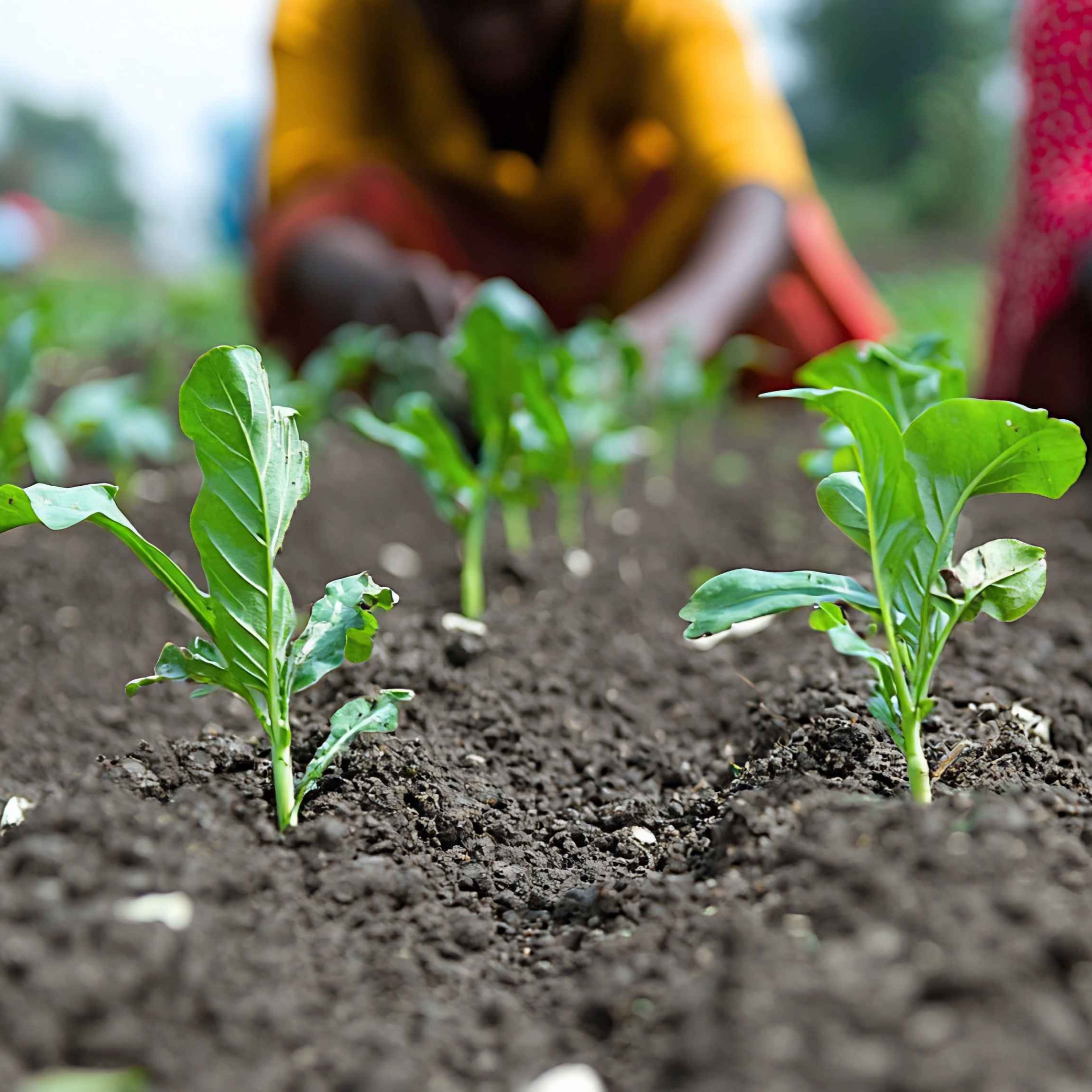
Seedlings in a cultivated field

SDG 2 Zero Hunger

iYunivesithi Walter Sisulu has designated "Food Futures: Sustainable Agriculture and Food Systems" as one of its signature strategic themes, reflecting its developmental commitment in the Eastern Cape to combat student hunger, drive climate-resilient agriculture, and empower rural farming communities.

Research, Academic Futures & Agrarian Education

  • Signature Focus Theme — "Food Futures". Under its strategic direction, Walter Sisulu established "Food Futures: Sustainable Agriculture and Food Systems" as one of three signature institutional pillars. This framework concentrates interdisciplinary research, postgraduate training, and community innovation on rural food security.
  • DRDAR Strategic Partnership Renewal. Walter Sisulu extended its strategic MoU with the Eastern Cape Department of Rural Development and Agrarian Reform (DRDAR) through March 2029. This partnership supports joint agrarian research, policy formulation, and agricultural community projects.
  • Land Access & Agri-Preneurship Studies. Research led by Public Management academics investigates land access constraints faced by female agri-preneurs in the Eastern Cape, presenting agricultural land reform as a critical mechanism for expanding local food production.
  • Indigenous Livelihood Resilience. Partnering with the University of the Free State, researchers at Walter Sisulu explore indigenous socio-economic resilience strategies to mitigate climate change threats to rural agricultural livelihoods in the former Transkei.

Student & Staff Hunger Interventions

  • Walter Sisulu NO! to Student Hunger Campaign. Read the story. Spearheaded by the Institutional Student Representative Council (ISRC) and the Vice - Chancellor's Office to assist vulnerable, unfunded students struggling with food insecurity. Merges R800,000 in seed funds (R300,000 from the ISRC and R500,000 from the VC's Office) with an additional R2.2 million fundraising target to form a R3 million relief fund, delivering food parcels to over 3,000 students.
  • GreenGrow Urban Farming Initiative. Read the story. Launched by the Faculty of Natural Sciences, GreenGrow introduces an interdisciplinary vegetable production competition across faculties and student residences. Aligned directly with SDG 1, SDG 2, and SDG 12, GreenGrow enables students to build urban agriculture systems, apply STEM theory, and grow their own nutritious food.
  • #StretchMyRand Movement. Read the story. Evolved from World Food Day, providing R100 vouchers to teach students how to stretch limited financial allowances to purchase healthy, nutritious food.

National Hunger & Local Farmer Support

  • SMAFED & Aquaponics Co-operative Partnerships. Read the story. The Sustainable Marine and Freshwater Resource Management and Economic Development (SMAFED) research unit, led by Prof Grace Okuthe, partnered with the OR Tambo Cooperative Development Centre (OTCDC) and FEWCOOP SA. Constructs solar-powered recirculating aquaculture systems and aquaponics farms, utilising nutrient-rich fish water to cultivate drought-resistant crops. This enhances food security and generates long-term employment for rural youth, women, and persons with disabilities. Converts local food waste into affordable, eco-friendly fish feed.
  • Community Cannabis & Agricultural Oil Workshops. Read the story. Hosted in Kieskammahoek alongside DRDAR, the University of Fort Hare, and the NRF, providing Burnshill community farmers with technical skills in crop strain selection, processing, and essential oil extraction to establish sustainable agricultural businesses

This account is drawn from the iYunivesithi Walter Sisulu Sustainability Impact Progress Report, prepared against the Times Higher Education Sustainability Impact Ratings methodology.

The Sustainable Development Goals icons are United Nations marks, used here for information. The content of this publication has not been approved by the United Nations and does not reflect the views of the United Nations or its officials or Member States. Read the Sustainable Development Goals.