
Staff Apps | Enterprises | Media | Support Services | Vision 2030 | Procurement | Tenders | Contact
Staff Apps | Enterprises | Media | Support Services | Vision 2030 | Procurement | Tenders | Contact
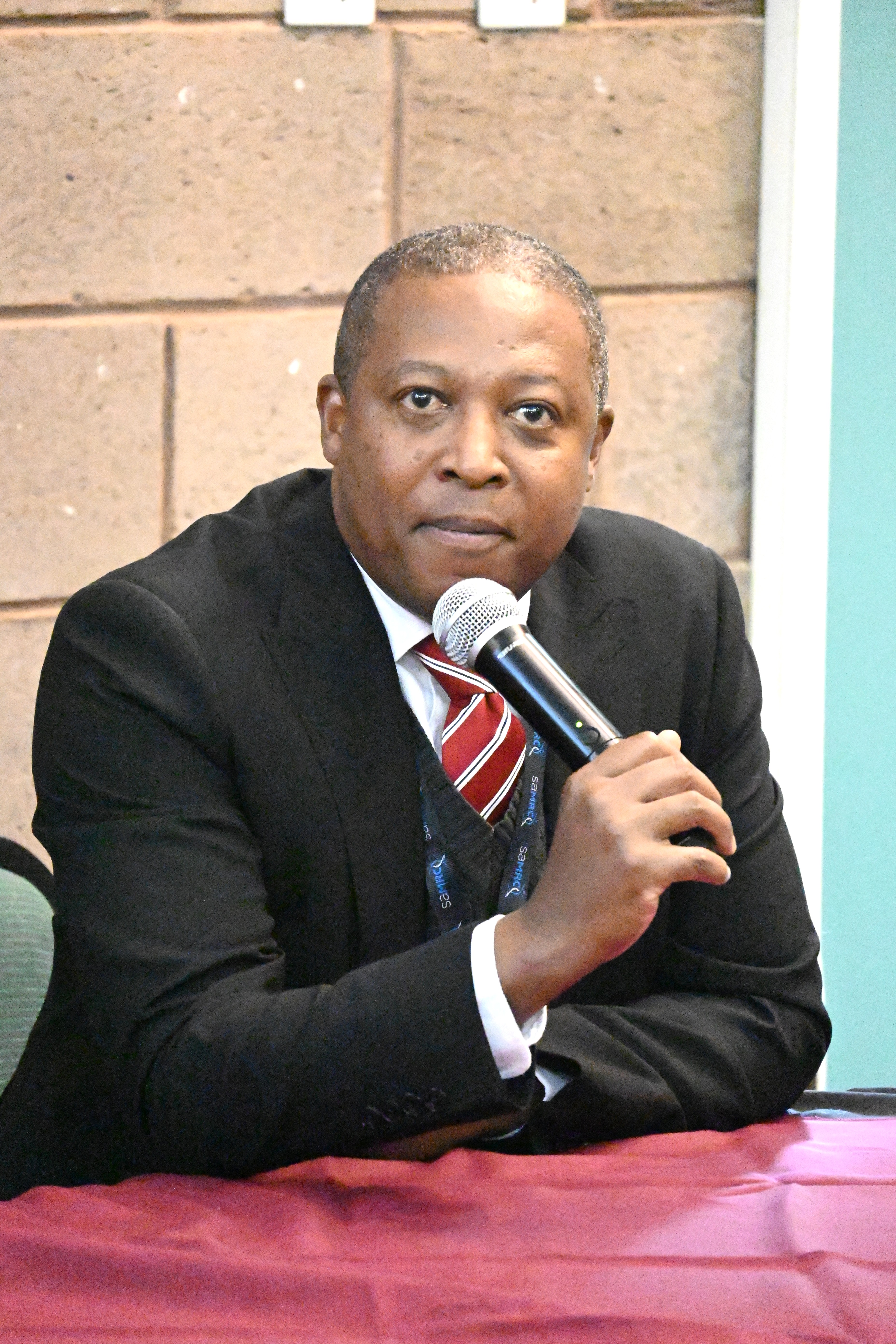 Research capacity must move beyond producing scientific knowledge to ensuring that discoveries are translated into innovations, implemented in real-world settings and ultimately improve people’s lives.
Those were the sentiments shared by the South African Medical Research Council (SAMRC) President and CEO Prof Ntobeko Ntusi at the 2026 SAMRC Research Capacity Development (RCD) Regional Grant Holders Conference hosted by iYunivesithi Walter Sisulu in KuGompo City on Thursday.
The conference themed “Funding impact, strengthening research capacity for translation, implementation, and health impact,” Prof Ntusi said the value of research funding should ultimately be measured by its contribution to society and health systems.
“Research capacity is not simply an investment in people or institutions, but an investment in knowledge, in health systems, and ultimately in society,” said Prof Ntusi.
He said the conference should prompt researchers to confront one of the most persistent challenges in health research: the gap between evidence generated by scientists and its application in communities and health systems.
“One of the most persistent challenges is the health research gap between what we know and what we do,” Prof Ntusi said.
He said closing this gap required researchers to think about the entire research value chain, rather than treating the production of scientific knowledge as the end point.
“We need to strengthen translation throughout the entire value chain as a deliberate and adequately supported component of the research enterprise,” he said.
He said research translation should extend beyond commercialisation and technology transfer to include clinical practice, public health programmes, health policy and community-based interventions.
“Translation encompasses the movement of scientific discoveries into clinical practice, public health programmes, health policy and, importantly, community-based interventions,” he added.
For this to happen, he said researchers could not work in isolation, with meaningful impact requiring different forms of expertise to connect across the research process.
He said this approach was particularly important for Africa, where institutions possessed significant scientific expertise but continued to face challenges relating to sustainable financing, infrastructure, technology, regulatory systems and opportunities for scientific leadership.
“Our response must be grounded in African leadership, institutional strengthening and equitable partnerships,” he said.
He said capacity development should therefore focus not only on increasing training opportunities, but on creating institutions that can sustain research careers, support innovation and translate evidence into policy and practice.
“Effective capacity development should be context-specific, responsive and informed by local priorities,” Prof Ntusi said.
He also called for a longer-term approach to research investment, saying early-career researchers needed more than funding to establish themselves as independent scientists.
“Training an early-career researcher is important, but that researcher also needs mentorship, access to infrastructure and laboratories, career opportunities, research support and an institutional environment in which their growing expertise can flourish,” he said.
He said the SAMRC would continue investing in people, partnerships and programmes aimed at strengthening South Africa’s research ecosystem, while urging researchers to respond to changing global health challenges with innovation and leadership.
“It is now high time for all researchers in our country to seize this momentum and turn challenge into opportunity, ensuring that South African science not only endures global shifts but thrives through resilience, innovation and leadership,” he concluded.
By: Yolanda Palezweni