6. Clean Water and Sanitation
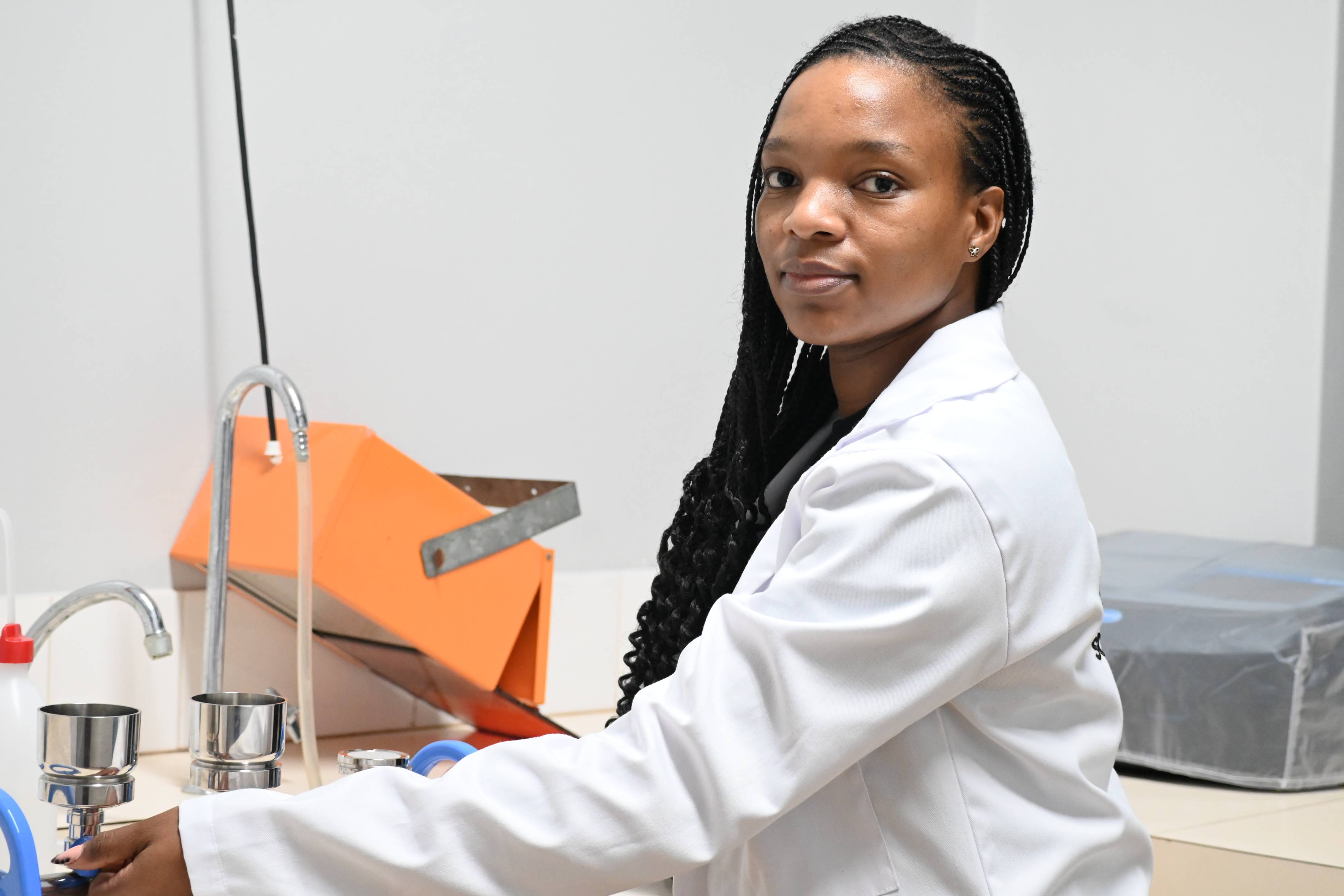
Laboratory work at a sink

SDG 6 Clean Water and Sanitation

At iYunivesithi Walter Sisulu, clean water management, aquatic resource stewardship, and community water resilience form essential pillars of the institution's environmental and developmental mandate. Located in a region frequently vulnerable to droughts, severe flooding, and municipal water supply constraints, Walter Sisulu combines campus infrastructure monitoring, cutting-edge water quality laboratory research, and community-level aquatic innovation.

Specialised Facilities: Research on Water & Coastal Quality

  • National Pollution Laboratory (NPL) Host Institution. Under a strategic MoU with the national Department of Forestry, Fisheries and the Environment (DFFE / former DEA) as part of South Africa's Operation Phakisa oceans economy initiative, Walter Sisulu hosts and manages the Oceans and Coasts National Pollution Monitoring Laboratory. The NPL regularly collects and analyses water quality, sediment, and biota samples along South African coastal waters and estuaries to monitor marine and freshwater pollution, working toward formal South African National Accreditation System (SANAS) accreditation.
  • Transdisciplinary Climate Resilience Studies. In an NRF-funded partnership with the University of the Free State (UFS), researchers in Walter Sisulu's Sustainable Marine & Freshwater Economic Development (SMAFED) unit study socio-economic adaptations to climate change and shifting hydrological patterns across the former Transkei. The project produces municipal policy briefs to assist local governments in incorporating watershed management and water security insights into local economic development plans.

Campus Water Consumption Tracking, Usage & Infrastructure Care

  • Institutional Infrastructure Modernisation & Resilience. Recognising municipal water supply instability as a critical operational risk, Walter Sisulu's strategic priorities explicitly mandate institutional water resilience and infrastructure renewal across all four main campuses (Mthatha, Butterworth, Buffalo City, and Komani) and 13 delivery sites.
  • Water-Conscious Building & Infrastructure Upgrades. Infrastructure developments under the university's long-term capital renewal program integrate water-conscious building standards and efficient plumbing fixtures into new academic, engineering, and student accommodation facilities.
  • Free Drinking Water & Student Provision. Clean, potable drinking water is provided free of charge across student residences, campus centers, and academic delivery sites to safeguard student health, sanitation, and hygiene.

Community Water Innovation, Aquaponics Reuse & Flood Security Collaboration

  • SMAFED & FEWCOOP SA Aquaponics Water Recycling. Read the story. Led by Professor Grace Okuthe, the SMAFED research niche area partnered with the OR Tambo Cooperative Development Centre (OTCDC) and Food Energy Water South Africa Tertiary Co-Operative (FEWCOOP SA) to build sustainable aquacultural water systems. Constructs solar-powered recirculating aquaculture systems and integrated aquaponics farms. Nutrient-rich water from fish tanks is continuously recycled and reused to irrigate drought-resistant crops, drastically reducing total water consumption and mitiga ting agricultural runoff. Converts municipal and organic food waste into eco-friendly fish feed to protect local water bodies from excess nutrient loading, embodying blue economy principles.
  • Government Collaboration on Disaster Management & Water Security. Following catastrophic regional flooding in the Eastern Cape, Walter Sisulu co-hosted the 1st CBE International Conference for Sustainable Construction in the Built Environment at the Potsdam Site with the Department of Public Works and Infrastructure. The conference engaged government leaders—including Deputy Minister Sihle Zikalala— on implementing smarter municipal water management, flood-resilient stormwater drainage, and sustainable water extraction technologies to combat climate disasters and severe droughts.
  • Community Water & Disaster Emergency Relief. The Public Health Department and the SAAPAM student chapter at Walter Sisulu coordinated emergency community relief drives delivering fresh water, food parcels, and health supplies to families displaced by Mthatha river floods in informal settlements such as Slovo.

This account is drawn from the iYunivesithi Walter Sisulu Sustainability Impact Progress Report, prepared against the Times Higher Education Sustainability Impact Ratings methodology.

The Sustainable Development Goals icons are United Nations marks, used here for information. The content of this publication has not been approved by the United Nations and does not reflect the views of the United Nations or its officials or Member States. Read the Sustainable Development Goals.